Foundation Parging
A clean, solid finish on the exposed foundation
What Is Foundation Parging?
Table of Contents
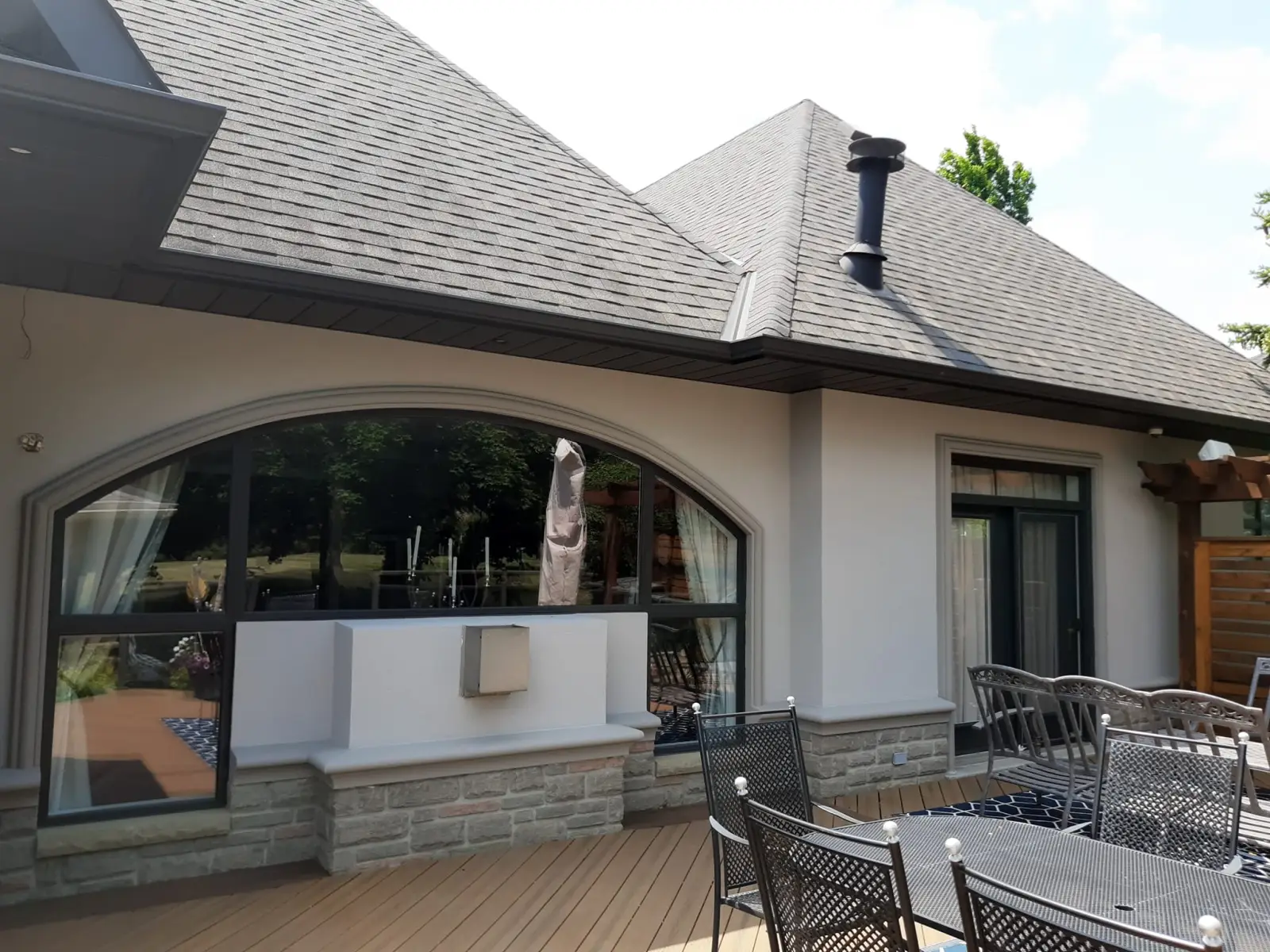
Foundation parging is the thin cement-based coat on the exposed part of a foundation wall, between the ground and the bottom of the stucco, brick or siding. It gives the concrete or block a finished look and protects its face from splash, salt and weather.
When parging cracks, bubbles or falls off in chunks, we remove the loose material, prepare the foundation and apply a new coat. Parging is cement-based like stucco, so the same seasonal limits apply: see whether stucco can be repaired in a Toronto winter.
What parging is, and what it isn't
Below grade, the building code (Part 9, Section 9.13) requires block foundations that are dampproofed to be parged on the outside with at least 6 mm of mortar, coved over the footing. There, the parging is the base the dampproofing goes on, not the moisture barrier itself.
The parging you see above ground does a different job. It's a protective, cosmetic skin over the concrete or block. It won't stop water getting into a basement through the foundation below grade. That needs drainage or waterproofing work, and new parging over a leaking wall only hides the problem.
Why parging fails
The bottom of the wall takes the worst of Toronto's weather:
- Freeze-thaw. Water soaks into the parging, freezes, expands and breaks the bond with the wall, often in sheets.
- De-icing salt. Salt spray and meltwater from driveways and walks speed up surface scaling of cement-based materials.
- Splash-back and snow. Rain bouncing off the ground and snow piled against the wall keep the parging wet for long stretches.
- A poor bond from day one. Parging put over dirt, loose old parging or paint has nothing solid to hold on to.
How we apply new parging
Everything that isn't firmly bonded comes off first, back to sound concrete or block. The specifications below come from the data sheets of two common parging mixes: Sakrete Parging Mix, made in Oakville, and Quikrete Parging Mix.
| Step | Specification |
|---|---|
| Surface | Sound and clean. Unsound concrete and paint removed. Wall dampened so it's saturated but has no standing water |
| Loose or painted areas | Galvanized diamond wire mesh fastened on first |
| Thickness | No more than 10 mm (3/8 in) per coat |
| Thicker builds | First coat roughed with a broom and left 24 hours before the next |
| Temperature | Mix and wall between 5 °C and 30 °C for 24 hours before and 48 hours after |
| Curing | Kept damp, by misting or under plastic, for about 3 days |
| Frost | Protected from freezing for 24 to 72 hours, depending on the product |
| Painting | Wait about 28 days, if the parging is to be painted |
The new coat is usually taken from just below grade up to the bottom of the cladding, so there's no raw band of concrete left between them.
Keep water away from the base
New parging lasts longer on a wall that isn't constantly wet. Toronto's mandatory downspout disconnection by-law already requires downspouts to discharge away from the foundation, onto grass or garden rather than a neighbour's property or the sidewalk, and the City suggests extensions or splash pads to get the water clear (City of Toronto). Ground that slopes toward the house does the opposite, so fixing the grading comes before re-parging.
White, powdery deposits on parging are efflorescence, a sign water is moving through it. The Concrete Masonry & Hardscapes Association's advice is to fix the moisture source first, then clean with a dry brush and clear water (CMHA TEK 8-3A). If you want the new parging sealed, choose a breathable, penetrating silane or siloxane repellent rather than a film-forming coating that can hold moisture in (PROSOCO).
Insulated concrete form (ICF) foundations have exposed foam, not concrete, above grade, and ICF makers like Nudura specify an acrylic parge coat for it rather than cement parging (Nudura). And sealing foundation cracks isn't a radon fix: Health Canada's guideline is 200 Bq/m³, and the main mitigation it describes is active soil depressurization (Health Canada).
What to expect
Most homes are done in a day or two. Temperature limits make parging a spring-to-fall job. If we find cracks in the foundation wall itself once the old parging is off, we'll show you before covering them.
Foundation Parging Benefits
-
Protects The Foundation Face
Parging covers the exposed concrete or block with a sacrificial layer that takes the splash, salt and freeze-thaw instead of the foundation itself.
-
Cleaner Curb Appeal
New parging turns a patchy, crumbling foundation line into a clean, even band around the house.
-
Shows Up Real Problems
Removing old parging exposes the foundation, so cracks in the wall itself can be seen and dealt with rather than covered over.
Removing The Old Parging
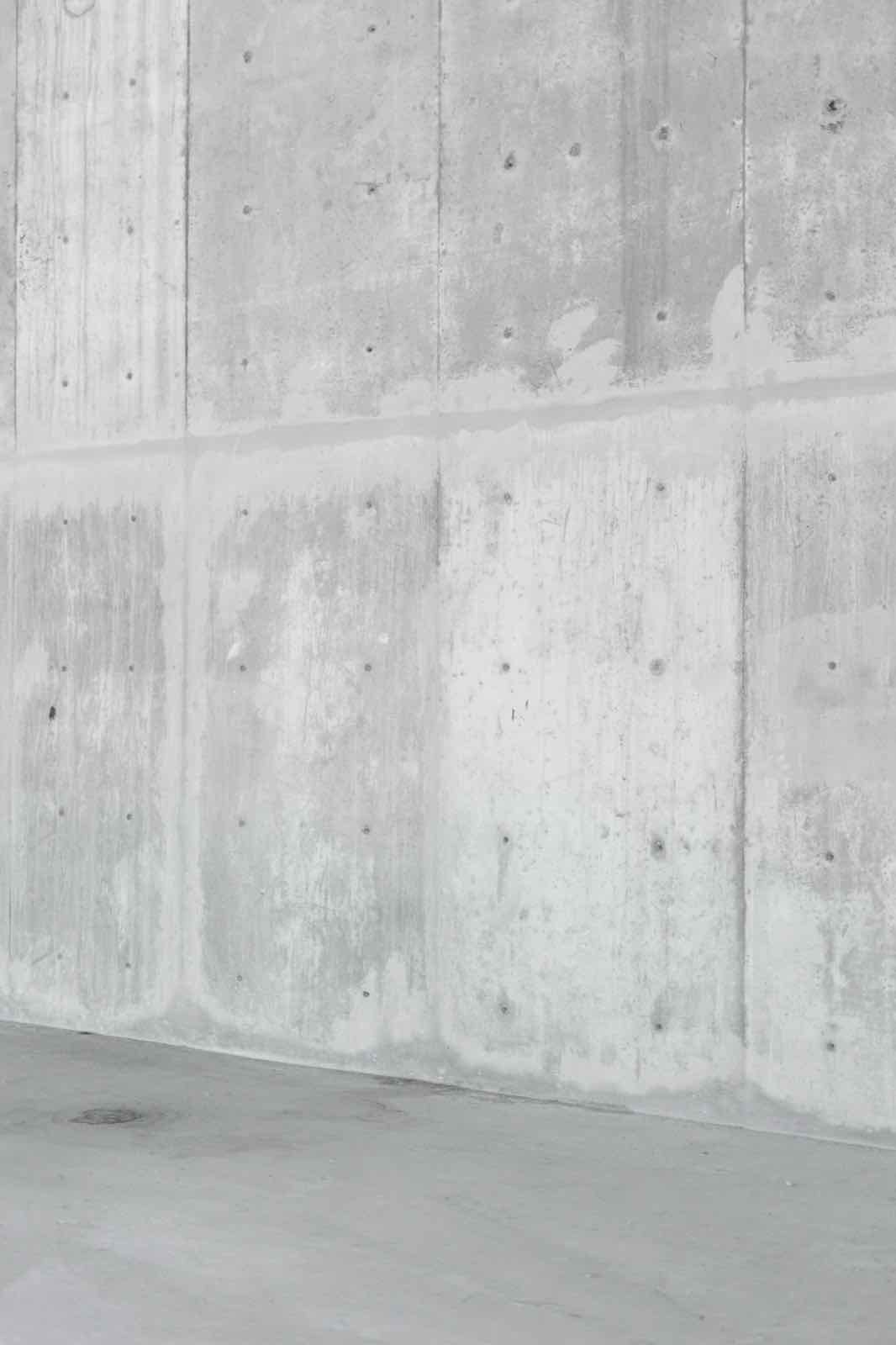
Parging that has cracked, bubbled or come away from the wall is removed back to sound material. The foundation surface is cleaned so the new coat bonds to the wall instead of to dust and loose mortar.
Applying New Parging
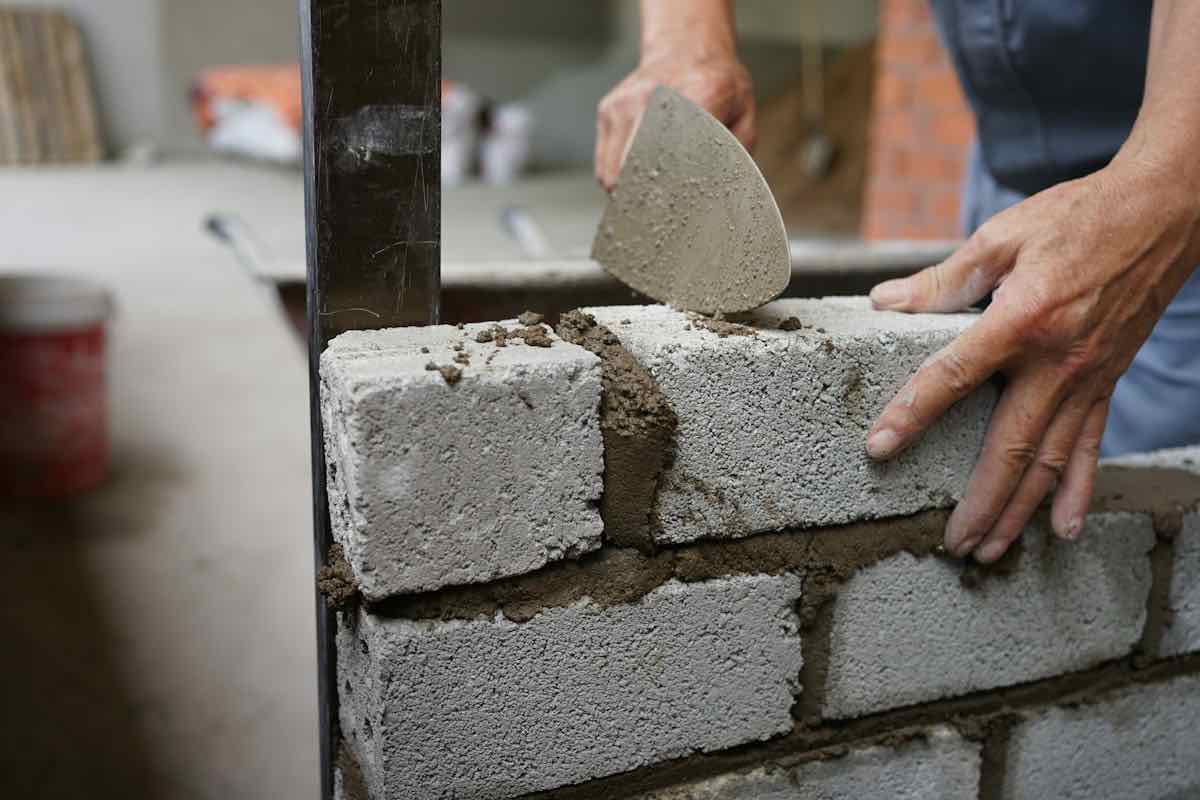
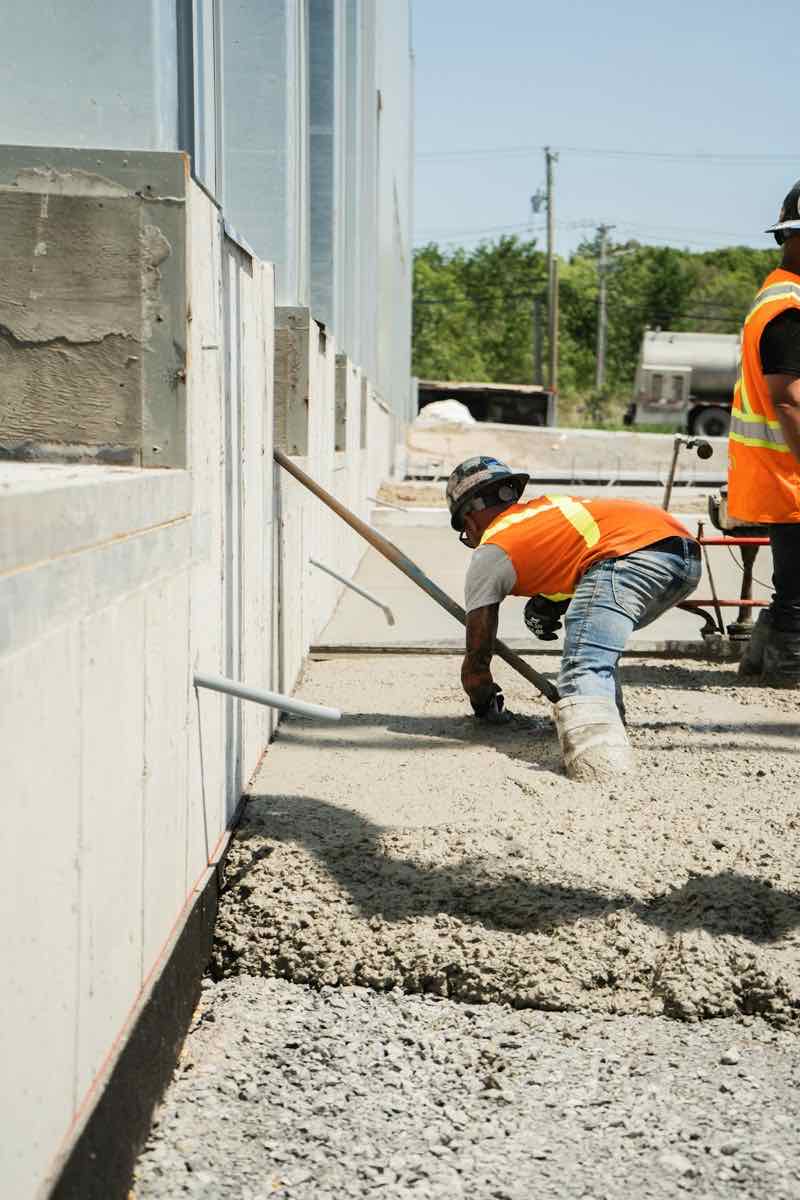
A cement-based parging mix is applied to the prepared foundation, built up and finished to an even texture, usually from just below grade to the bottom of the stucco or siding. It is kept damp while it cures so it doesn't dry too fast and crack.
Why Parging Fails In Toronto
The base of the wall gets the worst of the weather: splash-back from rain, snow piled against it, road and driveway salt, and water wicking up from wet soil. Parging is cement-based, so like stucco it needs warm weather to cure, which makes it a spring to early-fall job.
Foundation Parging
FAQs
Is parging waterproofing?
No. Parging is a protective, cosmetic coat on the outside of the exposed foundation. It won't stop water that is getting into the basement through the foundation below grade. That needs foundation waterproofing or drainage work.
Why does parging crumble and fall off?
Usually because of water and freezing: moisture gets behind or into the parging, freezes, and breaks the bond. Poor surface preparation when it was first applied is another common cause.
Can new parging go over old parging?
Not over loose or cracked parging. Anything that isn't firmly bonded has to be removed first, or the new coat will come away with it.
How long does parging take?
Most homes are done in a day or two, depending on how much old parging has to come off and how much of the foundation is exposed.