Stucco Repair
Repairs that blend in and keep water out
What Is Stucco Repair?
Table of Contents
Stucco repair means fixing the damaged part of a stucco wall, and the reason it failed, so the wall is sound and watertight again. That can be a single crack, a hole left by an old light fixture, or a section that has gone soft from water getting behind it.
We repair traditional cement stucco and EIFS (synthetic stucco) on homes across Toronto and the GTA. Not sure which one you have? Our guide explains how to tell stucco and EIFS apart, and the signs your stucco needs repair covers which damage can wait.
Which cracks actually need repair
Some cracking is normal. The Walls & Ceilings Council's bulletin on stucco cracks treats hairline cracks up to 1/32 inch wide as inherent in all cement-based materials, and says they typically don't need treatment (WCC Technical Bulletin 6.002). Stucco Manufacturers Association guidance draws the hairline line a little wider, at 1/16 inch. Cracks past that, cracks that keep growing, and cracks with staining below them are the ones to deal with.
Where a crack sits usually tells you why it formed:
| Where the crack is | Usual cause |
|---|---|
| Out from the corners of windows and doors | Stress concentrating at the opening |
| Long, straight runs across a wall | A panel too large for its control joints |
| Fine, random "map" pattern | Shrinkage as the stucco set |
| Stepped, or wider each year | Building or ground movement |
ASTM C1063, the standard for installing stucco lath, limits a wall panel between control joints to 144 sq ft, no longer than 18 ft, and no more than 2½ times as long as it is wide (Stucco Manufacturers Association). Walls built without those joints crack where the joints should have been, and a patch that ignores that just cracks again beside itself.
What a proper repair involves
- Find the water path first. Staining and efflorescence (white, powdery salt deposits) mean water is moving through the wall, and Dryvit's repair procedures say its source should be found before anything is patched (Dryvit DS498).
- Cut back to sound material. Soft or hollow stucco comes off until the edges are solid, so we can see the lath, sheathing and moisture barrier behind it. The International Masonry Institute names corroded lath, freeze-thaw and a lost bond as the usual root causes, and its repair sequence replaces rusted lath and failed flashing or membrane before any new stucco goes on (IMI).
- Rebuild in coats. The building code's stucco section (Part 9, Section 9.28) calls for at least two base coats and a finish coat totalling 15 mm or more: each base coat at least 6 mm, the finish at least 3 mm. We rebuild patches to the same build, not as a thin skin over a hole, and keep each base coat damp while it cures so it doesn't dry out and crack before the next one goes on.
- Match and blend. Texture is matched by hand and colour is tinted to the wall. Weathering changes stucco's colour over time, so Dryvit notes that exact matches aren't always possible and that repairs should run to a natural break, like a corner or a control joint.
EIFS is repaired differently
EIFS is foam insulation board with a mesh-reinforced base coat and an acrylic finish. The damaged foam is cut out to the substrate, new foam is fitted, and new reinforcing mesh laps about 2½ in (64 mm) onto the existing base coat before it's finished (Dryvit DS498). Building Science Corporation singles out the joints around windows, doors and penetrations as where water gets into EIFS walls (BSD-146), so those joints are checked on every EIFS repair we do.
Weather limits
The code requires cement stucco to stay at 10 °C or warmer while it's applied and for 48 hours afterwards. In Toronto, average daily temperatures sit above 10 °C from May to October (Environment Canada 1991–2020 climate normals), so that's our main repair season. Urgent work can be done under a heated enclosure.
Quotes, contracts and permits
Ontario's consumer rules cover stucco repair like any other home renovation. A contract over $50 has to be in writing, and the final price can't be more than 10% over the written estimate unless you agree to extra work in writing (Government of Ontario). A good quote lists the scope and materials, the price and payment schedule, start and finish dates, the warranty, and who cleans up.
Repairing existing stucco rarely needs a building permit. Toronto doesn't require one even to re-clad a house of three storeys or less with non-combustible material other than brick or stone veneer (City of Toronto). Structural changes do need one, so check with Toronto Building if a repair turns into work on the framing.
Why Repair It Properly
-
Stops Water Damage Spreading
Cracks and holes let water reach the lath and framing behind the stucco. Closing them early keeps a small repair from turning into a wall rebuild.
-
Repairs You Can't Spot
Texture and colour are matched to the existing wall by hand, so the repair doesn't show up as a square patch.
-
Right Materials For The Wall
Cement stucco and EIFS are repaired with different products. We confirm which one you have before any work starts.
Crack Repair
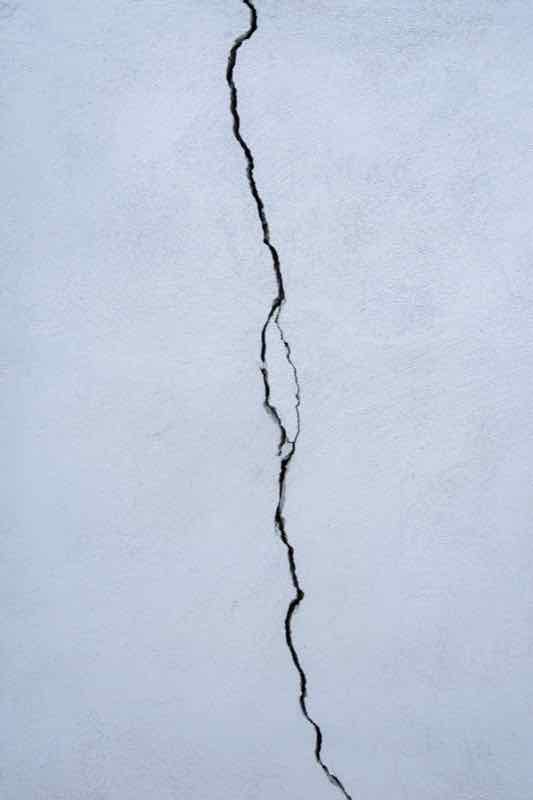
Hairline cracks are normal in stucco and rarely need work on their own. Wider cracks, growing cracks and cracks that leak are opened up, cleaned, filled with a flexible compatible material and re-textured so they stay closed through Toronto's freeze-thaw seasons.
Water Damage Repair
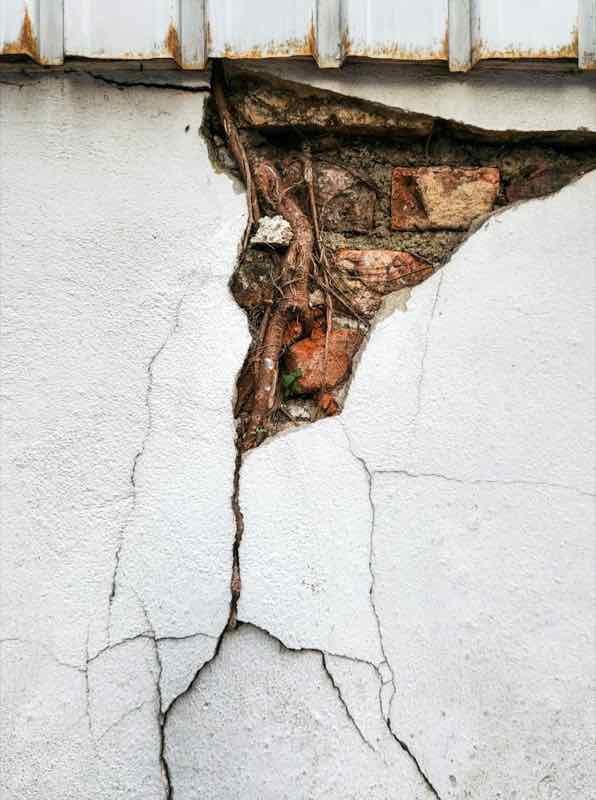
Where stucco is soft, bulging or crumbling, we cut back to sound material, check the sheathing, lath and moisture barrier behind it, replace what's damaged and rebuild the wall coat by coat. Finding and fixing where the water got in comes first, or the damage comes back.
Patching & EIFS Repair
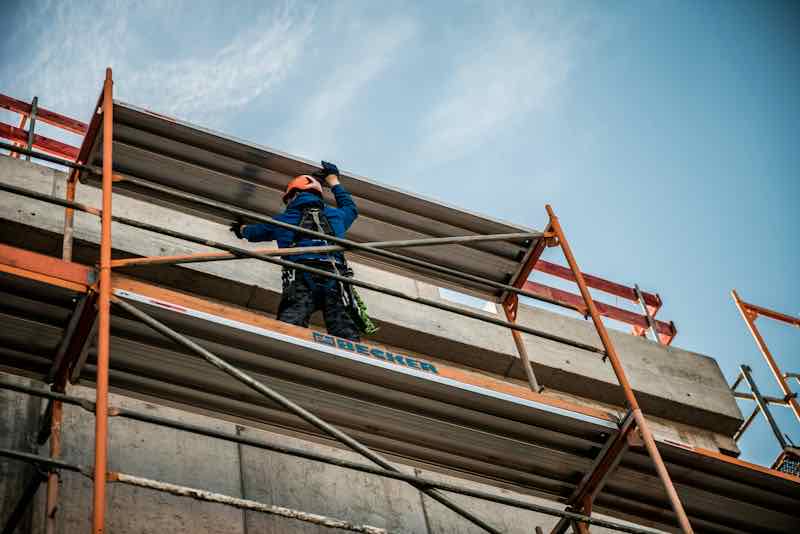
Holes from old fixtures, impact damage and failed patches are filled and blended into the surrounding finish. On EIFS, damaged foam is cut out and replaced, re-meshed and finished with the manufacturer's system so the repair behaves like the original wall.
Stucco Repair
FAQs
Can you match my existing stucco?
Yes, in most cases. We match the texture by hand and tint the finish to your wall. On older or faded walls a full new finish coat over the elevation sometimes gives a more even result, and we'll tell you if we think that's the case.
Do all stucco cracks need repair?
No. Hairline cracks up to about 1/16 inch are normal. Cracks that are wider, growing, leaking or come with staining or soft spots should be repaired.
How long does a stucco repair take?
Small crack and patch repairs are often done in a day. Larger repairs with water damage take longer, because each coat needs time to cure before the next one goes on.
Can stucco be repaired in winter?
Cement stucco has to be kept at 10 °C or warmer during application and for 48 hours afterwards, so most repairs happen from late spring to early fall. Urgent work can be done under a heated enclosure.