Stucco Moulding Repair & Painting
Crisp trim, sealed tight against the weather
What Is Stucco Moulding?
Table of Contents
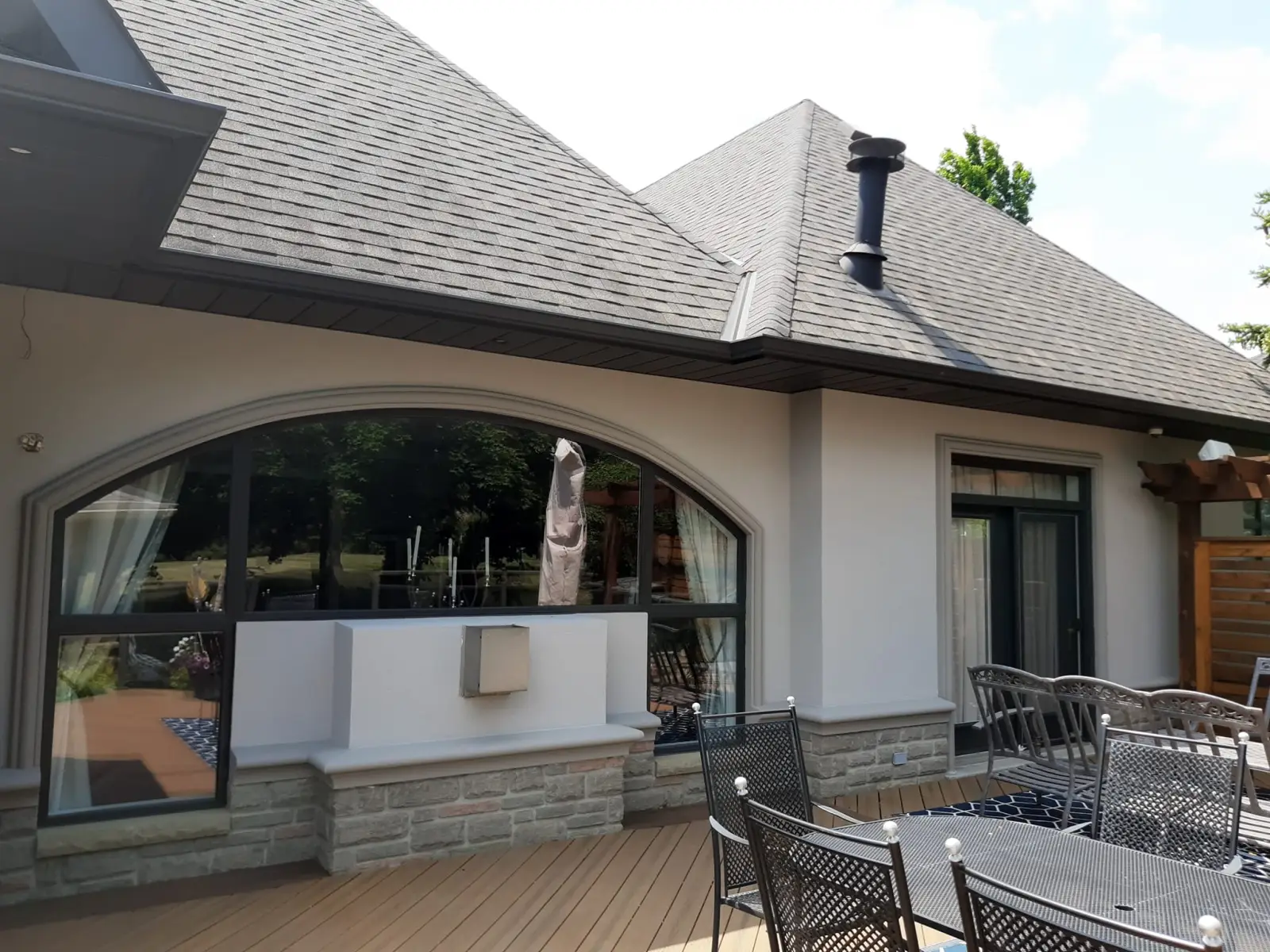
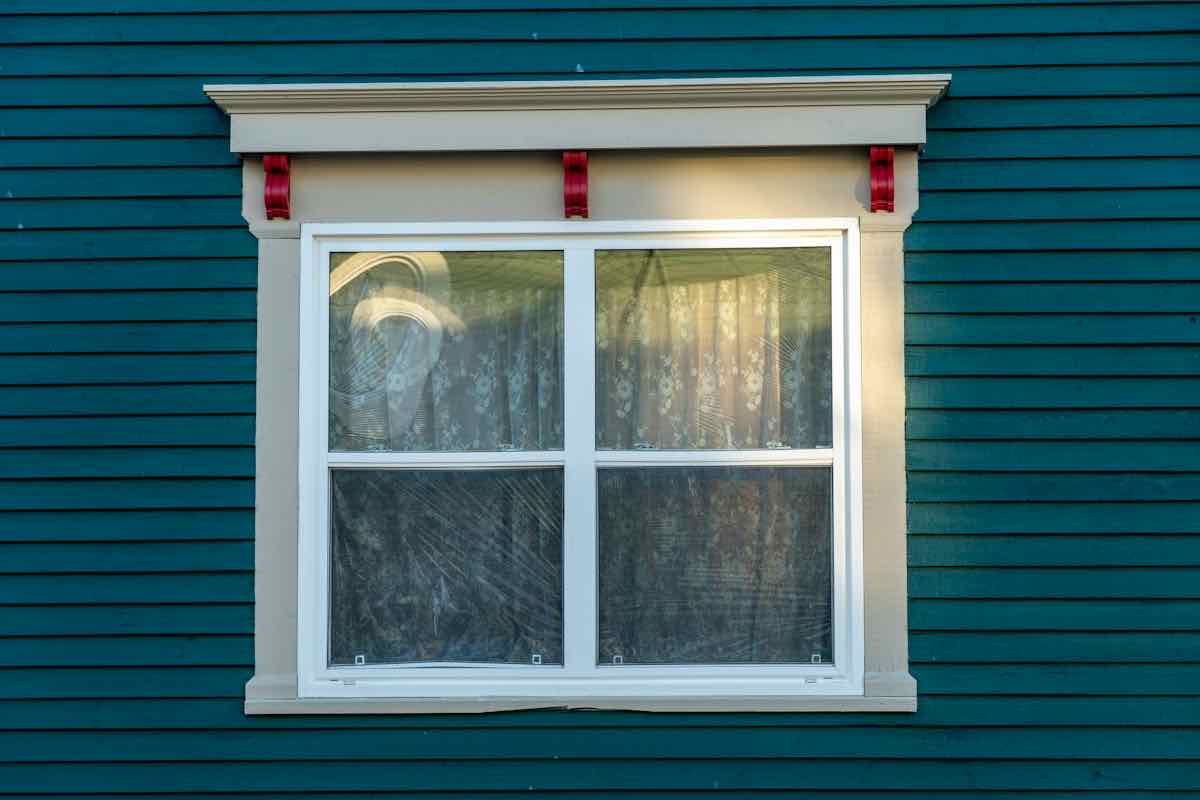
Stucco mouldings are the decorative trim on a stucco house: window and door surrounds, horizontal bands, sills, cornices under the roofline, and details like keystones and quoins. Because they stick out from the wall, they take more weather than any other part of the exterior.
We repair damaged mouldings, re-seal the joints where they meet the wall and windows, and paint them to match. If the walls around them need work too, see stucco repair and stucco painting.
What your trim is made of
On most homes built in the last few decades, the trim is expanded polystyrene (EPS) foam, cut to a profile and coated. ASTM C578 sets the lightest standard grade, Type I, at a minimum of 0.90 lb/ft³, so a length of moulding weighs very little. Dryvit's specification builds each shape with a base coat and reinforcing mesh over the foam, in pieces up to 4 ft (1.2 m) long, glued to the wall with the mesh lapping 2½ in (64 mm) onto the wall and across every joint between pieces (Dryvit DS1038). Older homes may have solid cement trim run in place, which is patched and re-shaped with compatible material instead.
Why sills and bands fail first
Water sits on anything flat. Dryvit requires the top of an exposed shape to slope at least 3:12 when it projects 4 in or less, and 6:12 when it projects up to 12 in. A lot of trim was installed flatter than that, and it holds water and ice until the coating cracks and the foam behind it gets wet.
Other common causes:
- Impact from ladders, landscaping or hail, which punctures the thin coating.
- Failed sealant where trim meets a window frame, letting water run in behind it.
- Woodpeckers, which drum on foam trim because it sounds hollow. Patched spots are often hit again. Woodpeckers are protected under Canada's Migratory Birds Regulations: a nest with a live bird or egg in it can't be disturbed, and pileated woodpecker nest cavities stay protected until they've been unused for 36 months (Environment and Climate Change Canada). We check for an active nest before filling holes. For repeat visits, the Canadian Condominium Institute points to visual deterrents like reflective streamers, and to netting held a few inches off the wall (CCI).
- Dark colours on sloped tops. Sto rates EPS for a maximum service temperature of 74 °C, and says colours with a light reflectance value (LRV) of 20 or more are safe on vertical walls. Sloped and horizontal surfaces run hotter (Sto TH 1294).
Sealing the joints properly
| Joint detail | Industry guidance (EIMA Bulletin 003) |
|---|---|
| Joint width | 3/4 in is common practice in EIFS |
| Sealant depth | Half the joint width, between 1/4 and 1/2 in |
| Backing | Closed-cell backer rod about 25% wider than the joint |
| Bond | Two sides only, to the base coat, not the softer finish |
Dryvit's homeowner guide recommends checking the finish and sealant joints twice a year (Dryvit DS235), and that's the best way to catch a small failure before the trim is soaked.
How a damaged moulding is repaired
We cut through every layer of the damaged area and check the water-resistive barrier behind it. The finish is taken off at least 3 in around the hole, new foam is fitted tightly, and any gap over 1/16 in is filled with foam slivers rather than base coat. New mesh laps onto the old, with a double layer at corners, and the repair is finished to match (Sika repair procedure). Pieces that are crushed or coming off the wall get a new length of matching profile.
Spot repairs suit a dent, a chipped corner or a single crack. When the foam along a run is wet, or the flashing or sealant above it has failed, we rebuild the run instead, because patching the surface leaves the water path in place. If the original profile is no longer made, shape fabricators cut matching pieces to order for EIFS walls (Decoramould).
Painting foam trim
Foam trim is painted with acrylic or elastomeric coatings made for EIFS. Dryvit is blunt about it: oil-based paints should never be used, and solvents like paint thinner can damage the system.

Why It Matters
-
Keeps Water Off The Wall
Mouldings sit right where water collects: above windows, on sills and along bands. Sound, sealed trim keeps it from running into the wall.
-
Sharp Lines Again
Chipped corners, dents and cracked joints are rebuilt so the trim looks crisp and even along the whole house.
-
Matched Colour
Repaired mouldings are primed and painted to match, or the whole trim package is refreshed together.

Moulding Repair
Most stucco trim on newer homes is a foam shape coated with a reinforced base coat and finish. Damaged sections are cut out, replaced with a matching profile or rebuilt by hand, re-meshed and finished. Older cement mouldings are patched and re-shaped with compatible material.
Sealing The Joints
The joint where a moulding meets the wall or a window frame is where water usually gets in. Failed sealant is cut out and replaced with a compatible sealant, and the tops of sills and bands are checked so water runs off them instead of sitting on top.

Painting Mouldings
Once repairs have cured, mouldings are primed where needed and painted with a masonry coating, either to match the existing trim colour or as part of a new colour scheme for the house.
Stucco Moulding Repair & Painting
FAQs
Are my mouldings foam or stucco?
On most homes built in the last few decades they're foam shapes with a stucco-type coating. Tap them: foam trim sounds hollow and feels lighter than cement. We confirm it on site before quoting.
Can a damaged piece of moulding be repaired, or does it need replacing?
Small dents, chips and cracks can usually be repaired in place. Pieces that are soaked, crushed or coming away from the wall are replaced with a matching profile.
Why do mouldings fail first?
They stick out from the wall, so they catch rain, snow and ice. Flat tops hold water, and the joints around them are exposed to movement and weather.