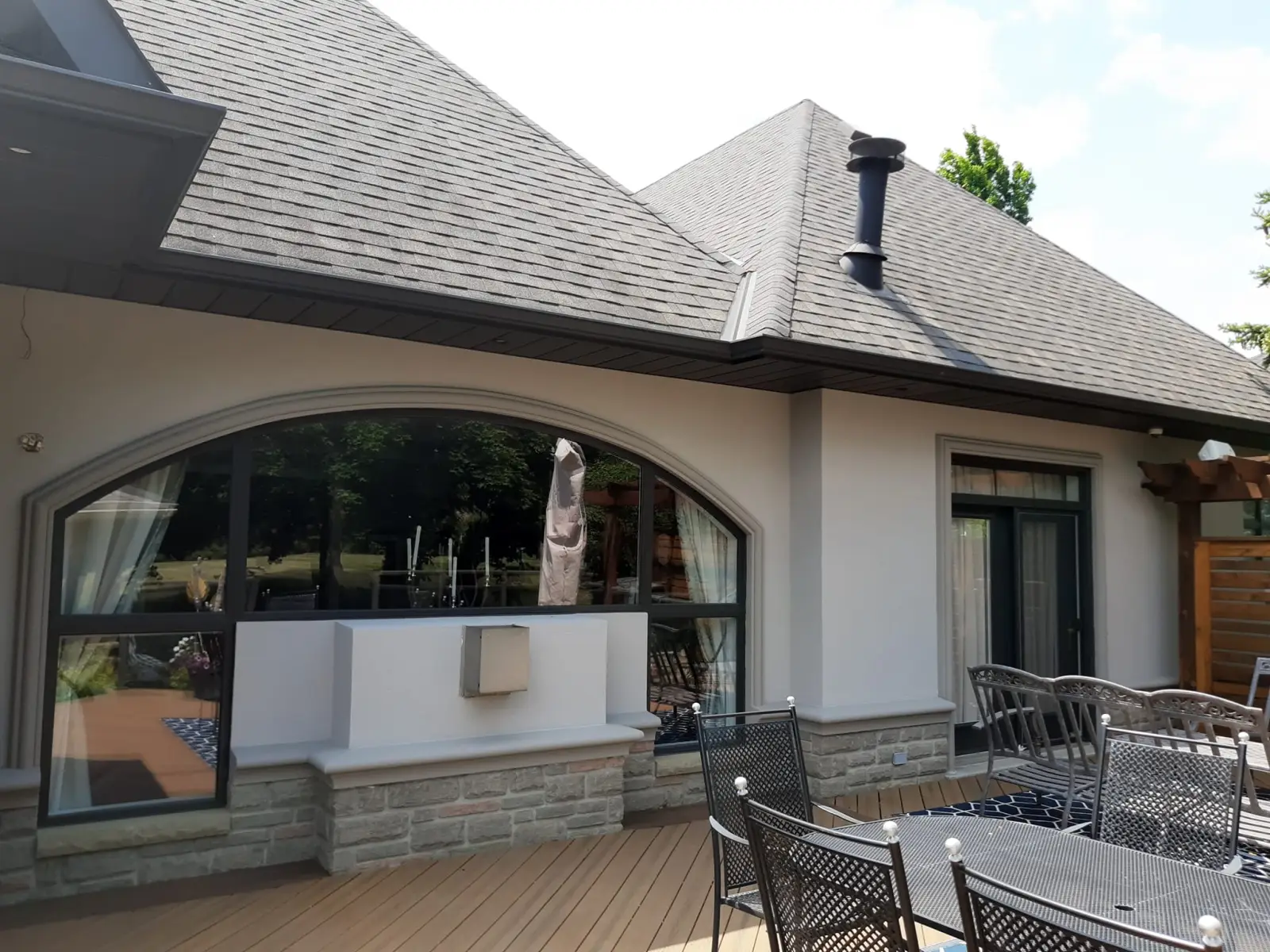
Stucco Painting
A fresh finish that lets the wall breathe
What Is Stucco Painting?
Table of Contents
Stucco painting is coating the outside of a stucco wall with a masonry paint or coating, to refresh its colour, even out old patches and add a layer of protection. Done well, it starts with repairs and ends with a finish that still lets the wall breathe.
If your stucco has cracks, stains or soft spots, those come first: see our stucco repair service and the signs your stucco needs repair.
When new stucco can be painted
Fresh cement stucco is strongly alkaline and still holds water from mixing. Paint manufacturers typically ask for new masonry to cure for about 30 days before it's coated. Where that isn't practical, some masonry primers can go on surfaces as young as 7 days, with a pH up to 13 and a moisture content of 15% or lower (Loxon primer data sheet). New patches from a repair are primed the same way before the whole wall is coated, so they don't show through as dull spots.
Acrylic masonry paint or elastomeric?
| Feature | Acrylic masonry paint | Elastomeric coating |
|---|---|---|
| Film build | Thin film | Thick: about 8–17 dry mils in total, in two coats |
| Crack bridging | Doesn't bridge moving cracks | Stretches 175–335% before breaking (manufacturer data) |
| Best for | Most sound, dry walls | Dry walls with fine, stable hairline cracks |
Elastomeric figures are from Sherwin-Williams' SherLastic and Loxon XP data sheets. Rough, textured stucco drinks paint: the same primer that covers 200–320 sq ft per gallon on smooth masonry covers about 80 on porous, rough stucco. Textured walls need more paint per square foot than their size suggests.
Mineral silicate paints are a third option on bare, unpainted stucco. Keim describes its potassium silicate paint as bonding chemically with the mineral surface and staying highly vapour-permeable (Keim). They don't suit walls that already carry acrylic paint, so the coating history decides whether they're on the table.
Neither coating is a fix for a crack that's still moving or leaking. We repair first, then choose the coating for the wall. And if your stucco was coloured in the mix and has never been painted, the first coat of paint is a one-way decision: from then on, it will need repainting rather than just washing.
How we prepare the wall
- Test old paint first. On older homes, check for lead before any scraping. Health Canada says homes built before 1960 probably contain lead paint and homes built up to 1990 may, and warns against sanders, heat guns and torches on it (Health Canada). A cross-cut tape test on the old coating is a quick field check that it's still bonded well enough to paint over.
- Wash gently. Low pressure only. On EIFS, Dryvit's homeowner guide sets the limit at 600 psi. Mildew is treated with a diluted bleach solution and rinsed.
- Deal with chalk. Old, chalky paint is washed and then sealed with a conditioner, so the new coat bonds to the wall rather than to powder.
- Repair and prime. Cracks and holes are repaired, and bare stucco or new patches are primed.
- Two finish coats. On new or bare stucco, the standard system is one coat of masonry primer and two topcoats. Benjamin Moore recommends back-rolling after spraying so the coating is worked into the texture, with a roller nap matched to how rough the stucco is, and a flat sheen, which hides surface imperfections best (Benjamin Moore).
Colour limits on EIFS
If your walls are EIFS rather than cement stucco, colour choice matters. The coating sits on foam, and dark colours absorb enough sun to overheat it. Sto rates EPS foam for a maximum service temperature of 74 °C, and says colours with a light reflectance value (LRV) of 20 or more are safe on vertical walls anywhere in North America (Sto TH 1294). Every paint chip lists its LRV, and we check it with you before anything is ordered.
Weather windows
Every product lists its own limits. Typical masonry primers go on above 4.4 °C, with the surface at least 3 °C (5 °F) above the dew point and no rain for 4 to 6 hours. Some elastomerics need 10 °C or warmer. Toronto's average daily temperature is above 10 °C from May to October (Environment Canada 1991–2020 climate normals), so that's our painting season, planned around dry forecasts.
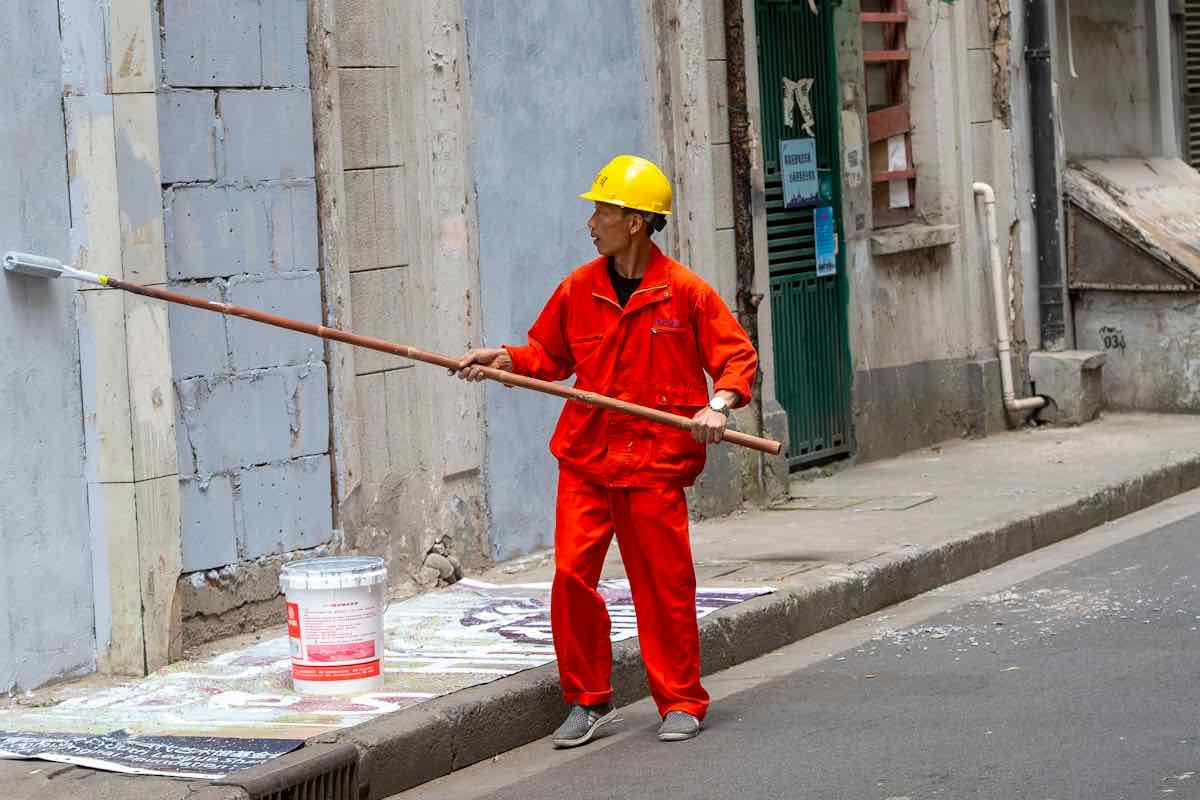
Stucco Painting Benefits
-
An Even, Fresh Finish
A new coating hides old patches, faded areas and colour differences, so the whole house looks the same again.
-
Coatings That Breathe
Stucco has to let moisture out. We use masonry coatings suited to the wall rather than paints that seal water in.
-
Repairs Done First
Paint doesn't fix cracks or water damage. We repair the wall before it's coated, so the new finish isn't hiding a problem.
Preparation
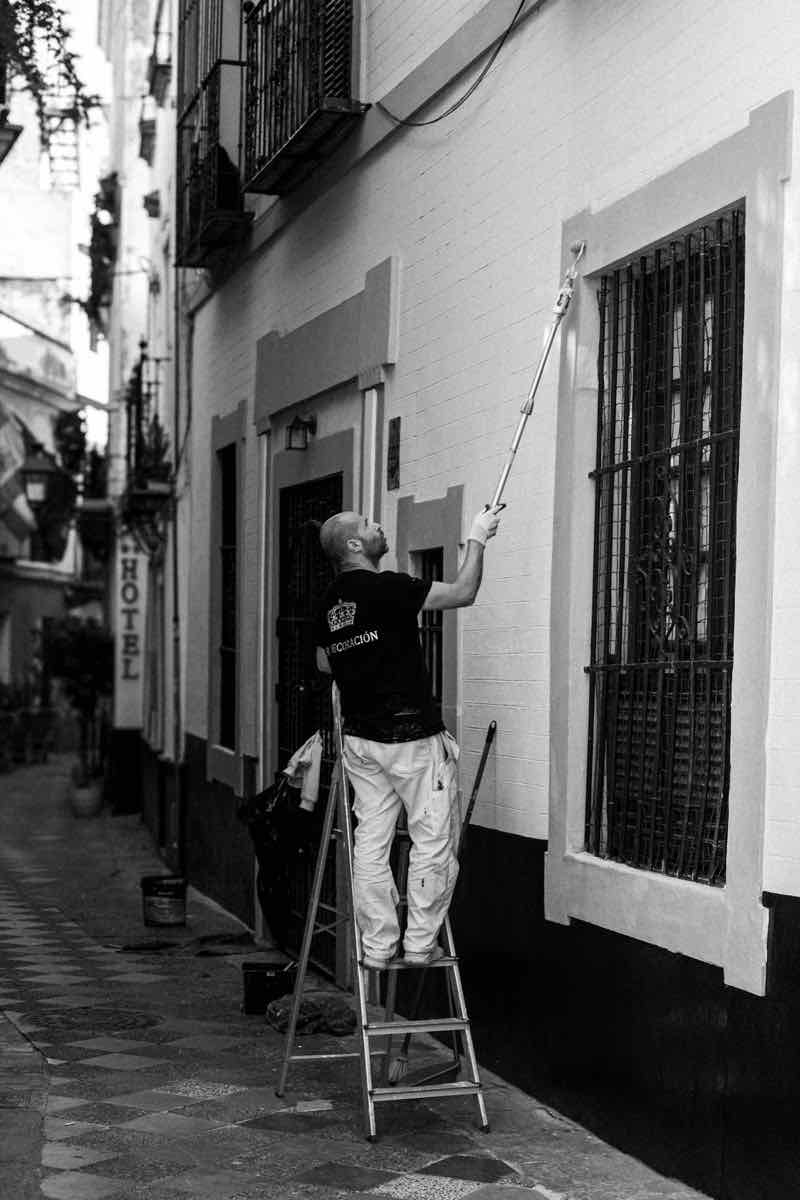
Most of a good stucco paint job happens before the first coat. The wall is washed at low pressure and left to dry, loose and chalky material is removed, cracks and holes are repaired, and bare patches are primed so the new finish looks even from corner to corner.
Choosing The Coating
Stucco needs a coating made for masonry. Acrylic masonry paints suit most walls. Elastomeric coatings go on much thicker and stretch to bridge fine hairline cracks, and we only use them on a wall we have confirmed is dry, with no hidden leaks. We recommend a system after looking at your wall.

Weather And Timing
Exterior coatings need a dry wall and suitable temperatures to cure, and every product lists its own minimum on the label. In Toronto that makes painting a late-spring to early-fall job, with no rain in the forecast while the coating dries.
Stucco Painting
FAQs
Can you paint over stucco?
Yes. Stucco takes paint well once it's clean, dry and repaired, and as long as the coating is made for masonry and lets the wall breathe.
Should cracks be repaired before painting?
Yes. Paint and even elastomeric coatings only hide cracks for a while. Cracks that are wider than a hairline or letting water in should be repaired first.
Is painting the same as a new stucco finish coat?
No. Paint is a thin coating over the existing finish. A new finish coat is a layer of stucco finish material that can change or restore the texture. On some walls a finish coat is the better option, and we'll tell you which suits yours.
Why shouldn't stucco be pressure washed?
High pressure can force water behind the finish and damage the surface. We clean stucco with low pressure and let it dry before painting.